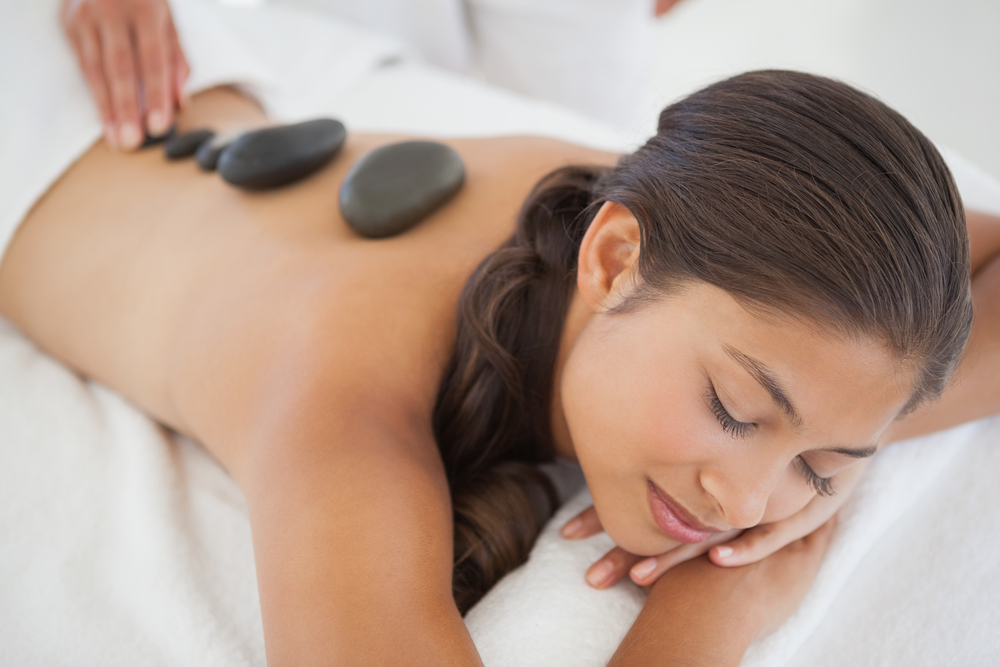
St. Augustine, FL is one of the most historically rich cities in the United States, but it is also quietly becoming one of the most wellness-forward destinations in Northeast Florida. Between its coastal breezes, lush parks, and unhurried pace of life, the Ancient City creates a natural setting for rest and recovery. Whether you are a longtime resident looking to manage chronic tension or a visitor hoping to unwind after a day of exploring cobblestone streets, massage therapy in St. Augustine, FL has something meaningful to offer everyone.
This guide walks you through what to know before booking your first session, what types of massage are most widely available, how therapeutic bodywork fits into a broader wellness lifestyle, and how to find the right massage therapist in St. Augustine, FL for your specific needs.
Why St. Augustine Is a Natural Fit for Wellness Culture
There is something about St. Augustine that slows people down. The city draws visitors and residents alike with its Spanish colonial architecture, quiet waterways, and an atmosphere that quietly resists the rush of modern life. That same quality makes it an ideal home for wellness practices that prioritize presence, intentionality, and physical restoration.
The wellness industry has grown substantially across Florida over the last decade, and St. Augustine has kept pace in its own distinct way. Rather than a high-volume spa tourism model, the city tends to support smaller, more personalized practices. Many of the massage therapists working in the area have built loyal client bases through word of mouth, reputation, and a genuine commitment to client care. The community here values relationships, and that ethos carries over into how wellness services are offered and experienced.
The surrounding environment also plays a role. Access to beaches, trails, and outdoor activities means that residents are often physically active, which creates a steady need for recovery-focused bodywork. Runners, cyclists, paddleboarders, and weekend hikers regularly turn to massage in St. Augustine, FL as part of their routine maintenance rather than as an occasional luxury.
Understanding the Types of Massage Available in St. Augustine
Before booking an appointment, it helps to have a basic understanding of what different modalities offer. Massage therapy is not a single service but a broad category of hands-on techniques, each designed with different goals in mind.
Swedish massage is the most widely recognized style and is often the entry point for people new to bodywork. It uses long, flowing strokes to promote circulation, ease surface-level muscle tension, and encourage a deep sense of relaxation. It is an excellent choice for stress relief and general maintenance.
Deep tissue massage goes further into the muscle layers, targeting chronic tension patterns and adhesions that build up over time. This style is especially useful for people who carry stress in specific areas such as the neck, shoulders, or lower back, or for those recovering from repetitive-strain injuries.
Sports massage is tailored to the needs of active individuals. It can be used as a pre-activity warmup, a post-activity recovery tool, or as part of ongoing injury prevention. Given how active many St. Augustine residents are, this modality is in strong demand throughout the area.
Other options you may encounter include trigger point therapy, myofascial release, prenatal massage, and reflexology. A skilled massage therapist in St. Augustine, FL will assess your needs and help guide you toward the approach that best matches your goals, whether that is pain relief, recovery, relaxation, or simply maintaining overall physical health.
How Massage Therapy Supports Long-Term Wellness
One of the most important shifts in how people think about massage therapy is the move away from viewing it as a one-time treat and toward treating it as a consistent wellness practice. Research has continued to support the value of regular therapeutic massage for a wide range of health outcomes.
Frequent massage sessions have been associated with reduced levels of cortisol, the hormone most directly linked to stress. Lower cortisol levels contribute to better sleep, improved immune function, and a more stable mood. For people managing anxiety or chronic stress, this physiological reset can be genuinely significant over time.
Massage therapy also plays an important role in musculoskeletal health. Regular bodywork helps maintain flexibility, reduces the likelihood of injury, and supports faster recovery when injuries do occur. For older adults especially, maintaining tissue mobility and joint range of motion becomes increasingly important, and massage therapy in St. Augustine, FL provides a gentle but effective way to support those goals.
Beyond the physical, many people find that massage creates mental clarity and emotional grounding. The act of stepping away from screens, obligations, and noise to focus entirely on the body is increasingly rare in modern life. That intentional pause carries value that is difficult to quantify but easy to feel.
What to Look for in a Massage Therapist in St. Augustine, FL
Finding the right practitioner matters as much as choosing the right modality. A skilled and licensed massage therapist will not only deliver effective technique but will also create an environment of trust, communication, and care that makes the entire experience more beneficial.
Start by verifying that any therapist you are considering holds a valid Florida massage therapy license. The state requires licensed massage therapists to complete accredited training, pass a board examination, and maintain continuing education credits. These standards exist to protect clients and ensure a consistent level of professional competency.
Beyond credentials, look for a therapist who takes time to understand your goals before the session begins. A good intake process includes questions about your health history, areas of concern, and any preferences you have around pressure or technique. This is not just a formality; it is how a thoughtful therapist builds a session that is actually tailored to you rather than a generic sequence of movements.
Client reviews can offer helpful insight as well. Pay attention to comments about communication, professionalism, and whether clients felt heard and respected during their visit. These details often matter as much as technical skill, especially for people who are new to massage or who carry any hesitation about the experience.
Finally, consider proximity and scheduling. One of the best ways to make massage a consistent habit is to remove friction from the process. Finding a quality provider of massage in St. Augustine, FL who is conveniently located and easy to book with makes it far more likely that you will actually follow through on regular appointments rather than treating it as something you will get around to eventually.
Building a Wellness Routine Around Massage Therapy
Massage therapy works best when it is part of a larger, intentional approach to health. Think of it as one pillar within a structure that also includes movement, nutrition, sleep, and stress management. When those elements work together, the results tend to be more sustainable and more noticeable than any single intervention on its own.
For most people, a monthly massage is a reasonable starting point. Those managing specific conditions, training for athletic events, or experiencing high levels of daily stress may benefit from bi-weekly sessions. Your therapist can help you identify a cadence that aligns with your goals and your schedule.
Pair your sessions with other local wellness resources that St. Augustine has to offer. The city has a growing community of yoga studios, fitness centers, health-focused restaurants, and outdoor recreation options that complement the work done on the massage table. When you treat your body consistently and with intention, the cumulative effects become a genuine quality-of-life improvement.
Conclusion
St. Augustine is a city that invites you to slow down and take care of yourself, and massage therapy fits naturally into that invitation. Whether you are seeking relief from pain, a way to decompress from daily stress, or simply a consistent wellness practice, massage therapy in St. Augustine, FL offers real, lasting value. Take the time to find a qualified massage therapist in St. Augustine, FL who understands your needs, and make regular bodywork a part of how you invest in your long-term health.
Need Massage Therapy in St. Augustine, FL?
Here at Go Madd 4 Massage, we are passionate about helping you feel your absolute best! Whether you’re seeking relaxation, relief from pain, or enhanced recovery, our highly skilled therapists are here to customize a massage just for you. With over 18 years of experience and a flexible 6-day schedule, we make it easy to prioritize your well-being—even with same-day or last-minute appointments. Give us a call today to schedule your perfect massage, and let us show you why St. Augustine trusts us for professional, personalized care. Your relaxation starts with us!
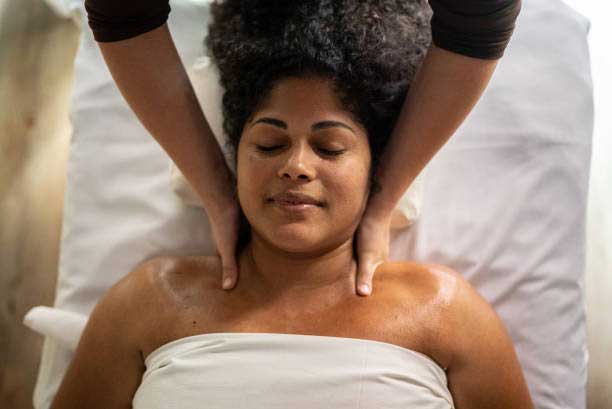
Choosing the right type of massage therapy can feel like navigating a sea of options, especially when two of the most popular styles—deep tissue massage and Swedish massage—seem to offer overlapping benefits. However, each technique is uniquely tailored to address different physical and mental needs. Understanding their distinctions can help you make an informed choice to best suit your wellness journey.
The Basics of Massage Therapy
Massage therapy has been practiced for centuries as a way to promote relaxation, improve circulation, relieve pain, and support overall well-being. Today, two of the most commonly sought-after modalities are deep tissue and Swedish massage. While both involve hands-on manipulation of muscles and soft tissues, they differ in approach, pressure, and intended outcomes.
What Is Swedish Massage?
Swedish massage is the quintessential relaxation massage. Developed in the 19th century by Swedish physiologist Per Henrik Ling, this style uses gentle to medium pressure and a variety of strokes to promote relaxation and circulation. It is ideal for individuals looking to de-stress or ease mild muscle tension.
What Is Deep Tissue Massage?
Deep tissue massage, on the other hand, goes beyond the surface layers of the skin and muscles to target deeper connective tissues. It involves applying sustained pressure and slow strokes to reach areas of chronic tension, often resulting from stress, repetitive movements, or injuries.
Let’s dive deeper into the characteristics, benefits, and potential drawbacks of each.
Techniques and Pressure: A Comparative Analysis
Swedish Massage Techniques
Swedish massage employs five main techniques:
- Effleurage: Long, sweeping strokes to warm up the muscles and increase blood flow.
- Petrissage: Kneading movements to target muscle tension.
- Friction: Circular motions to stimulate tissues.
- Tapotement: Rhythmic tapping or percussion to energize the body.
- Vibration: Shaking motions to loosen muscles.
These techniques are combined with light to moderate pressure, making Swedish massage a gentle, enjoyable experience.
Deep Tissue Massage Techniques
Deep tissue massage involves:
- Stripping: Slow, deep strokes along the length of the muscle fibers.
- Friction: Focused pressure applied against the grain of the muscle to release adhesions.
The pressure in deep tissue massage is much firmer, often penetrating the deeper layers of muscles and fascia. While this can be intense, it is highly effective for addressing chronic pain and stiffness.
Benefits: Relaxation vs. Recovery
Benefits of Swedish Massage
Swedish massage is a go-to option for relaxation and general wellness. Its benefits include:
- Stress Reduction: Gentle strokes help calm the nervous system, reducing cortisol levels.
- Improved Circulation: The rhythmic movements encourage blood and lymphatic flow, enhancing oxygen and nutrient delivery to tissues.
- Relief from Minor Aches: It alleviates mild muscle tension and stiffness.
- Enhanced Flexibility: Regular sessions can improve joint mobility and muscle elasticity.
Benefits of Deep Tissue Massage
Deep tissue massage is designed for therapeutic recovery. Its benefits include:
- Pain Relief: It’s particularly effective for chronic conditions like lower back pain, neck pain, and shoulder tension.
- Breakdown of Scar Tissue: The focused pressure can break down adhesions and improve mobility post-injury.
- Postural Correction: By addressing muscular imbalances, it supports better posture.
- Enhanced Recovery: Athletes and individuals recovering from injuries often turn to deep tissue massage to speed up the healing process.
Who Should Choose Swedish Massage?
Swedish massage is ideal for individuals looking for a gentle, soothing experience. Consider Swedish massage if:
- You are new to massage therapy.
- You want to relax and unwind after a stressful day.
- You have mild to moderate muscle tension.
- You’re seeking a general wellness boost without addressing specific injuries or chronic pain.
Scenarios Where Swedish Massage Shines
- Stress Relief After a Busy Week: The calming strokes of Swedish massage help you decompress.
- Recovery from a Light Workout: It soothes muscle soreness without being overly intense.
- Enhancing Sleep Quality: Many people find that Swedish massage improves their sleep by promoting relaxation.
Who Should Opt for Deep Tissue Massage?
Deep tissue massage is suited for individuals who need targeted therapy for deeper issues. Consider deep tissue massage if:
- You have chronic muscle pain or stiffness.
- You’re recovering from an injury or surgery.
- You suffer from repetitive strain conditions, such as carpal tunnel syndrome.
- You are an athlete dealing with overuse injuries or seeking preventive care.
Scenarios Where Deep Tissue Massage Shines
- Chronic Back or Neck Pain: Deep tissue massage targets the root of persistent tension.
- Injury Recovery: It aids in breaking down scar tissue and restoring range of motion.
- Postural Issues: By addressing underlying muscle imbalances, it helps correct poor posture.
Comparing Pain and Sensation
Swedish Massage: Relaxation with Minimal Discomfort
Swedish massage is generally pain-free, offering a pleasurable and calming experience. While some pressure may be applied to relieve muscle knots, it is always within a comfortable range.
Deep Tissue Massage: Intensity for Lasting Relief
Deep tissue massage, in contrast, can be intense. The therapist may apply firm pressure that causes temporary discomfort, especially when addressing tight knots or adhesions. However, this intensity is often necessary to achieve therapeutic results.
Risks and Considerations
Swedish Massage Risks
Swedish massage is low-risk for most individuals. However, people with certain conditions—such as recent surgeries, fractures, or severe osteoporosis—should consult a doctor before booking a session.
Deep Tissue Massage Risks
Deep tissue massage requires greater caution. The deeper pressure can exacerbate certain conditions or cause bruising. Avoid deep tissue massage if you:
- Have blood clotting disorders or take blood-thinning medications.
- Have open wounds, fractures, or recent surgeries.
- Are pregnant, unless advised by a healthcare provider.
Choosing the Right Massage for Your Goals
Assess Your Needs
Start by identifying your primary goal:
- Relaxation and Stress Relief: Opt for Swedish massage.
- Targeted Pain Relief or Recovery: Choose deep tissue massage.
Consider Your Pain Tolerance
If you’re sensitive to pain or discomfort, Swedish massage may be more suitable. Those accustomed to firmer pressure may benefit from deep tissue massage.
Think About Your Lifestyle
Athletes, active individuals, or those with chronic conditions might find deep tissue massage more beneficial. Conversely, if you lead a sedentary lifestyle or seek occasional relaxation, Swedish massage might be the better fit.
A Holistic Approach: Mixing Modalities
Sometimes, a combination of both styles may be the best solution. Many massage therapists are skilled in blending techniques to address relaxation and therapeutic needs simultaneously. For example, a session could begin with Swedish strokes to warm up the muscles and transition to deep tissue techniques for specific problem areas.
Conclusion: Which Massage Is Right for You?
Ultimately, the choice between Swedish and deep tissue massage depends on your personal needs, preferences, and health considerations. Swedish massage offers a relaxing escape, perfect for unwinding and enjoying gentle therapeutic benefits. Deep tissue massage, while more intense, provides targeted relief and recovery for those dealing with chronic pain or specific injuries.
By understanding the unique characteristics and benefits of each style, you can select the massage that aligns with your goals and enjoy a personalized wellness experience tailored to your body’s needs. Whether it’s the soothing flow of Swedish massage or the focused intensity of deep tissue therapy, both options offer a pathway to improved health and well-being.
Need Massage Therapy in St. Augustine, FL?
Here at Go Madd 4 Massage, we are passionate about helping you feel your absolute best! Whether you’re seeking relaxation, relief from pain, or enhanced recovery, our highly skilled therapists are here to customize a massage just for you. With over 18 years of experience and a flexible 6-day schedule, we make it easy to prioritize your well-being—even with same-day or last-minute appointments. Give us a call today to schedule your perfect massage, and let us show you why St. Augustine trusts us for professional, personalized care. Your relaxation starts with us!
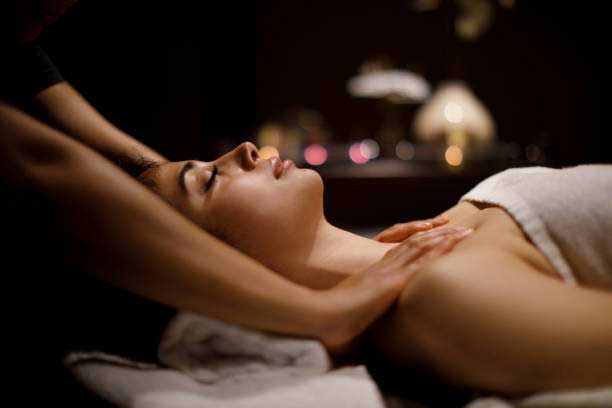
Booking your first professional massage can be both exciting and a little nerve-wracking, especially if you’re unsure of what to expect. At Go Madd 4 Massage in St. Augustine, FL, we understand that every first-time client has questions about the process, how to prepare, and what the experience will be like. This blog post will walk you through what to expect during your first
professional massage so you can feel relaxed and prepared from start to finish.
1. Preparing for Your Massage: Before You Arrive
Before your first massage session, it’s a good idea to take some simple steps to ensure you’re comfortable and ready to get the most out of the experience.
Arrive a Few Minutes Early
It’s helpful to arrive 10-15 minutes before your appointment. This gives you time to fill out any necessary paperwork and discuss any concerns or preferences with your massage therapist.
Wear Comfortable Clothing
While you’ll likely be changing into a provided robe or towel during the session, it’s still a good idea to wear loose, comfortable clothing to and from the appointment. This helps you stay relaxed before and after your massage.
Communicate Your Needs
When you arrive, your massage therapist will ask you about any areas of discomfort, specific health concerns, or preferences for pressure levels. Be open about what you’re hoping to achieve, whether it’s relaxation, pain relief, or tension release. This ensures your massage is tailored to your unique needs.
2. Getting Started: The Massage Consultation
The first step in your professional massage is a consultation with your therapist. This is your opportunity to share relevant information about your health and personal preferences. During this consultation, your therapist may ask questions like:
- Do you have any medical conditions, injuries, or areas of pain?
- What type of pressure do you prefer: light, medium, or deep?
- Are there specific areas of your body you’d like to focus on or avoid?
This consultation is important because it ensures that the massage session will be safe, effective, and personalized to your needs.
3. The Massage Room and Environment
Once your consultation is complete, your massage therapist will show you to a private room. At Go Madd 4 Massage, we focus on creating a calming environment with soft lighting, soothing music, and a relaxing ambiance.
In the room, you’ll find a comfortable massage table covered with clean sheets and blankets. Your therapist will step out of the room while you undress to your comfort level (more on this below), and then lie down on the table beneath the sheet. When you’re ready, your therapist will re-enter the room to begin the session.
What Should I Wear?
This is one of the most common questions first-time clients ask. You can undress to your comfort level. Some clients prefer to fully undress, while others leave on underwear or certain clothing items. Your body will be draped with a sheet or towel throughout the massage, and only the areas being worked on will be uncovered at any given time. Your therapist will always respect your boundaries and ensure you feel comfortable.
4. During the Massage: What to Expect
Now that you’re comfortable on the table, the massage will begin. Here’s what you can expect during the session:
Communication is Key
While the therapist will start by following the plan you discussed during the consultation, you should feel free to communicate throughout the session. If you’re uncomfortable with the pressure, temperature, or any part of the massage, don’t hesitate to let the therapist know.
Relax and Breathe
The goal of the massage is to help you relax and relieve tension in your muscles. To fully enjoy the experience, focus on your breathing and try to clear your mind. It’s natural to feel tension release during the massage, so allow yourself to unwind and enjoy the sensation.
Techniques and Pressure
Your therapist will use a variety of techniques depending on your preferences. These could include Swedish massage (gentle and relaxing), deep tissue massage (focusing on deeper muscle layers), or trigger point therapy (targeting specific areas of tension). They will also adjust the pressure based on your comfort—so again, communicate if you’d like them to use more or less pressure.
Massage Oils and Lotions
Your therapist will likely use a massage oil or lotion to help their hands glide smoothly over your skin. If you have any allergies or sensitivities to certain products, be sure to mention this during your consultation so they can use a hypoallergenic option if needed.
5. After the Massage: What Happens Next?
Once the massage is complete, your therapist will let you know that the session is finished and step out of the room to give you privacy to dress. You don’t need to rush—take a few minutes to get dressed and enjoy the post-massage relaxation.
Hydrate and Relax
It’s important to drink plenty of water after your massage to help flush out any toxins that may have been released during the session. Many people feel deeply relaxed after a massage, so plan to take it easy for the rest of the day if possible. Light stretching and relaxation exercises can also help prolong the benefits of the massage.
6. Common First-Time Questions
If you’re a first-time massage client, you may have a few additional questions. Here are some common concerns:
Will It Hurt?
Massage therapy should never be painful. While some deep tissue or trigger point techniques may cause slight discomfort as they release tension, you should never feel pain. Always communicate with your therapist if anything feels too intense.
How Long Does a Massage Last?
A standard massage session typically lasts between 60 to 90 minutes. Shorter sessions (30 minutes) are available for targeted treatments, while longer sessions (120 minutes) may be recommended for deep relaxation or extensive tension relief.
How Often Should I Get a Massage?
This depends on your needs and goals. Some clients come in for a massage once a month for general relaxation, while others may need more frequent sessions (weekly or bi-weekly) for pain management or injury recovery.
7. Book Your First Massage at Go Madd 4 Massage
At Go Madd 4 Massage, we’re committed to making your first professional massage a relaxing and positive experience. Whether you’re looking for stress relief, pain management, or a way to unwind, our skilled therapists are here to guide you through every step of the process.
Are you ready to experience the benefits of massage therapy? Contact Go Madd 4 Massage in St. Augustine, FL, to book your first session today!