How Massage Therapy Can Naturally Boost Your Immune System
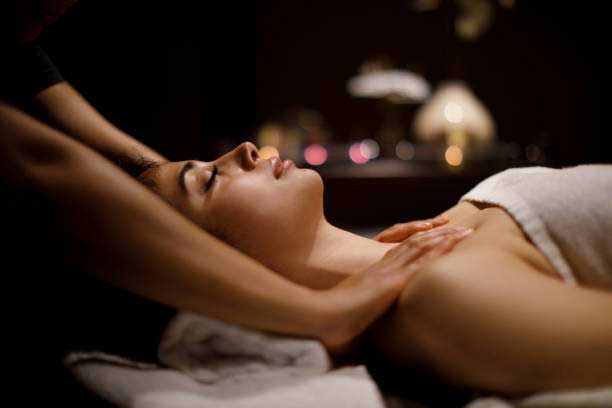
In a world increasingly focused on wellness and preventive healthcare, natural methods for strengthening the body’s defenses have never been more relevant. Massage therapy, often associated with relaxation and luxury, is emerging as a powerful ally in supporting and enhancing the immune system. While it’s widely recognized for its ability to relieve stress and reduce pain, massage also plays a vital, scientifically-supported role in improving overall health and boosting immune responses. This blog delves into how massage therapy works to naturally enhance immunity and why incorporating it into your wellness routine can be a transformative investment in long-term health.
Understanding the Immune System and Its Vulnerabilities
The immune system is the body’s complex defense network, designed to identify and neutralize harmful pathogens like viruses, bacteria, and toxins. It’s made up of a variety of organs, cells, and proteins that work in harmony to keep the body safe from illness. However, modern lifestyles often challenge this equilibrium. Stress, lack of sleep, poor nutrition, and environmental pollutants can suppress immune responses, leaving the body vulnerable to disease. Chronic stress, in particular, is a major factor that can deteriorate immune function. It triggers the release of cortisol, a hormone that, in high levels, inhibits the production of white blood cells and weakens the body’s ability to mount effective immune responses.
Sleep deprivation is another major contributor to immune dysfunction. It affects cytokine production—proteins that help combat infection—and reduces the number of infection-fighting cells in the bloodstream. Combined with nutritional deficiencies and exposure to toxins, these elements create a storm that can compromise health and leave individuals more susceptible to infections, chronic diseases, and inflammation. Against this backdrop, holistic therapies like massage offer a gentle yet potent means to restore balance, lower stress hormones, and reinvigorate the immune system.
The Science Behind Massage and Immune Enhancement
Scientific research increasingly supports the idea that massage therapy does more than just soothe aching muscles. Studies show that massage can lead to significant biological changes that favor immune resilience. One of the key physiological effects of massage is its ability to reduce cortisol levels. When stress hormones are lowered, the immune system is better equipped to function at optimal levels. Massage has also been shown to increase the activity of natural killer (NK) cells—lymphocytes that play a critical role in the early defense against viral infections and cancerous changes.
In a landmark study conducted by researchers at Cedars-Sinai Medical Center, participants who received a 45-minute Swedish massage exhibited measurable improvements in their immune function. Blood samples taken before and after the massage showed increased levels of lymphocytes, a type of white blood cell involved in defending the body against disease. Furthermore, the participants had decreased levels of arginine vasopressin, a hormone associated with aggressive behavior and the fight-or-flight stress response.
Massage also influences the lymphatic system, which is central to immune function. The lymphatic system is responsible for transporting lymph—a fluid containing infection-fighting white blood cells—throughout the body. Unlike the circulatory system, which is powered by the heart, the lymphatic system relies on muscle movement and physical manipulation to circulate lymph effectively. Massage therapy, particularly techniques like manual lymphatic drainage, encourages this movement, helping to clear out toxins and support immune surveillance.
Massage and the Mind-Body Connection
The immune system is not an isolated structure; it is deeply connected to the brain and nervous system. The field of psychoneuroimmunology explores how mental and emotional states influence immune health. Massage therapy, by promoting a sense of calm and psychological well-being, contributes to a more favorable internal environment for immune function.
When you undergo a massage, your body often shifts from sympathetic nervous system dominance—associated with stress and alertness—to parasympathetic dominance, which is associated with rest and healing. This shift allows for reduced heart rate, lowered blood pressure, and enhanced digestion, all of which help reduce physical and mental stress. As tension fades, the body’s healing mechanisms are no longer compromised, and immune cells can perform their protective functions more efficiently.
Moreover, massage stimulates the release of endorphins and serotonin, neurotransmitters that elevate mood and alleviate symptoms of depression and anxiety. Since chronic psychological stress and mood disorders are linked with weakened immune function, improving mental well-being through massage also strengthens the body’s defenses. It’s a cyclical benefit: a relaxed mind promotes a stronger immune response, which in turn helps maintain mental health.
Integrating Massage into a Preventive Health Routine
The benefits of massage therapy accumulate over time, making regular sessions an effective component of a preventive healthcare plan. While an occasional massage can offer short-term relief from stress or pain, consistent therapy helps maintain a more balanced internal state. Many wellness practitioners recommend incorporating massage into your routine at least once or twice a month, depending on individual health needs and stress levels.
For those with autoimmune disorders or chronic conditions, massage can be adapted to accommodate specific health concerns. Gentle techniques can reduce inflammation, alleviate fatigue, and ease muscle tension without overstimulating the system. However, it is crucial to work with a qualified therapist who understands the nuances of immune-related conditions and can tailor the massage appropriately.
In addition to its direct effects, massage therapy encourages people to adopt other healthy lifestyle habits. Clients often become more attuned to their bodies and more motivated to engage in self-care practices such as better nutrition, regular exercise, and adequate sleep. This holistic approach creates a synergy that amplifies immune strength and supports overall well-being.
Looking Ahead: The Role of Massage in a Healthier Future
As public interest in integrative and functional medicine continues to rise, massage therapy is poised to play a more prominent role in preventive and supportive care. The COVID-19 pandemic highlighted the need for strong immune systems and renewed interest in natural wellness strategies. People are seeking ways to take charge of their health that go beyond pharmaceuticals and quick fixes.
Healthcare providers are also beginning to acknowledge the clinical value of massage. Hospitals and clinics are integrating massage into treatment protocols for patients with cancer, chronic pain, and post-surgical recovery—not just for comfort, but for its tangible physiological benefits. Insurance coverage for therapeutic massage is gradually expanding, making it more accessible to a wider population.
Conclusion
Ultimately, massage therapy is much more than a luxury or a fleeting indulgence. It is a scientifically-backed, holistic tool for enhancing immunity, reducing stress, and promoting healing from the inside out. As part of a balanced wellness lifestyle, it can help people become more resilient to both physical and emotional challenges. Whether you’re seeking to ward off seasonal illnesses, manage a chronic health issue, or simply feel more energized and centered, massage therapy offers a natural and profoundly effective path toward greater health.
Need Massage Therapy in St. Augustine, FL?
Here at Go Madd 4 Massage, we are passionate about helping you feel your absolute best! Whether you’re seeking relaxation, relief from pain, or enhanced recovery, our highly skilled therapists are here to customize a massage just for you. With over 18 years of experience and a flexible 6-day schedule, we make it easy to prioritize your well-being—even with same-day or last-minute appointments. Give us a call today to schedule your perfect massage, and let us show you why St. Augustine trusts us for professional, personalized care. Your relaxation starts with us!